Key takeaways
- Plumbers in Croatia earn an average of €1,500 net (€2,350 gross) monthly in 2026.
- The legal minimum gross salary for a foreign skilled trade work permit is €2,200.
- Single expatriates in Zagreb spend about €1,050 per month, saving roughly €450 (or over €950 if company housing is provided).
- Streamlined work permit processing takes 45 to 60 days following the 2026 portal updates.
The plumber salary Croatia in 2026 averages €1,500 net per month (≈€2,350 gross) after tax and social contributions, leaving about €450 monthly savings in Zagreb after typical living costs. With ongoing residential construction and infrastructure modernization across Dalmatia, Istria, and the capital, skilled tradespeople remain in high demand throughout the country.
Foreign plumbers, particularly from South Asian nations like Bangladesh, India, and Nepal, now fill vital labour shortages in Croatia. Understanding how gross earnings convert into actual take-home cash, how local expenses eat into your income, and what immigration authorities require is critical before signing any contract.
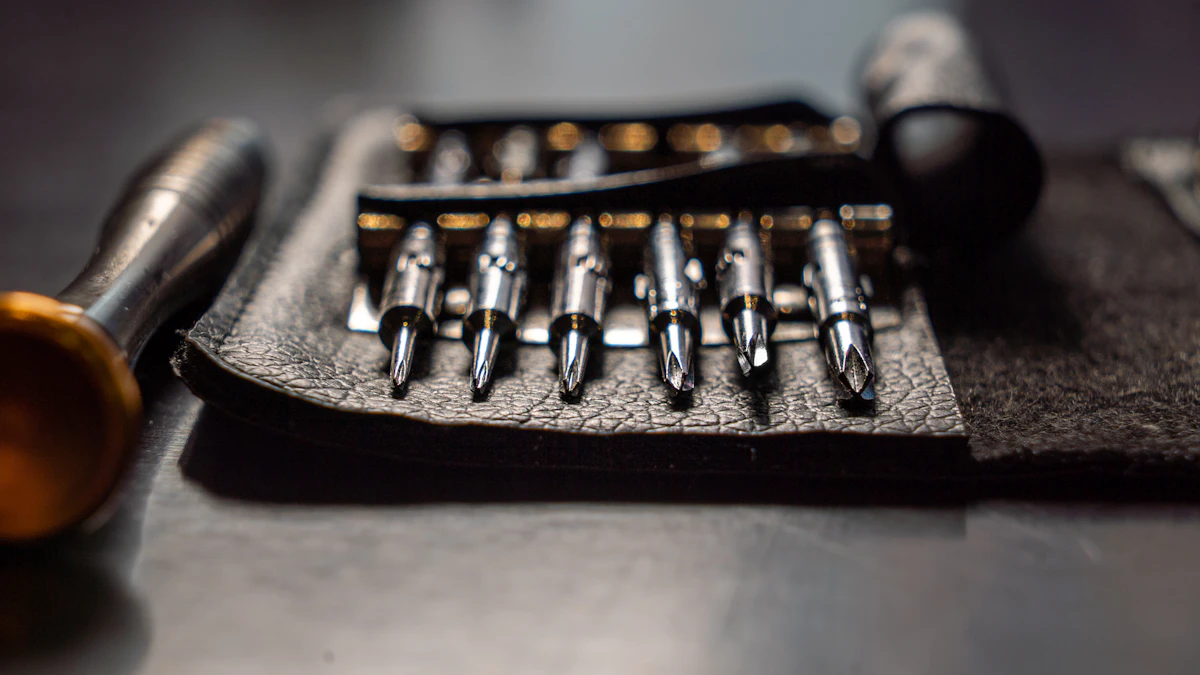
Plumber salary Croatia 2026: net vs gross breakdown
A gross salary of €2,350 puts a plumber in the 30% tax bracket for most of the income, with the first €2,500 annually taxed at 20%. After deducting the mandatory ~20% employee social security (pension, health, unemployment), the net lands near €1,500. Actual take-home pay varies by city and experience; Zagreb typically offers the highest rates, while Split and Rijeka are slightly lower. Calculations are based on the NettoFlow net‑to‑gross calculator and the Nomad Tax Calc 2026 guide.
Experience level plays an influential role in your starting offer. An apprentice or entry-level plumber with under two years of experience typically starts around €1,850 gross (€1,200 to €1,280 net). A mid-level technician capable of reading architectural drawings and installing sanitary piping independently commands €2,200 to €2,500 gross (€1,450 to €1,620 net). Master plumbers and specialized pipeline welders working on major commercial installations can negotiate up to €2,800 to €3,200 gross, pushing take-home pay past €1,900 net each month.
| Experience Level | Average Gross Monthly (€) | Estimated Net Monthly (€) | Hourly Rate Equivalent (€) |
|---|---|---|---|
| Entry-Level (0–2 years) | €1,850 – €2,100 | €1,200 – €1,380 | €7.50 – €8.50 |
| Mid-Level (3–5 years) | €2,200 – €2,550 | €1,450 – €1,650 | €9.00 – €10.50 |
| Senior / Master Plumber (6+ years) | €2,600 – €3,200 | €1,680 – €2,050 | €11.00 – €13.50 |
| Self-Employed / Subcontractor | €2,800 – €3,800 | €1,800 – €2,400 | €12.00 – €17.00 |
Taxes and social contributions deducted from a plumber's salary
| Component | Rate (2026) | Applied to |
|---|---|---|
| Personal income tax – first bracket | 20% | Annual income up to €30,000 |
| Personal income tax – second bracket | 30% | Annual income €30,001‑€150,000 |
| Personal income tax – top bracket | 35% | Annual income above €150,000 |
| Social security contributions (employee share) | ≈20% | Gross salary (pension, health, unemployment) |
Deductions are applied sequentially: social contributions come off gross first, then the tax brackets are applied to the taxable base. The Croatian Tax Administration (Porezna uprava) publishes the official rates each year.
In addition to state-level personal income taxes, Croatian municipalities levy local surtaxes (prirez) ranging from 0% to 18%, depending on where you register your official residence (boravište). In Zagreb, local surtax rates sit at the higher end, slightly reducing take-home pay relative to rural municipalities. However, higher baseline hourly wages in Zagreb generally make up for the marginally higher tax bite.
Monthly savings for a plumber living in Zagreb, Split or Rijeka
The average monthly cost of living for a single expatriate in Zagreb is €1,050, broken down as follows:
| Category | Monthly cost (€) |
|---|---|
| Rent (1‑bedroom, city centre) | 600 |
| Utilities (electricity, water, heating, internet) | 120 |
| Food & groceries | 250 |
| Transport (public transport pass) | 80 |
With a net salary of €1,500, realistic disposable income is about €450 per month (€1,500 − €1,050). Savings potential varies by city:
- Zagreb – €450
- Split – €380 (rent slightly lower, but wages a bit lower)
- Rijeka – €410
Many foreign installation workers boost their monthly savings significantly by utilizing shared company housing. Croatian construction firms commonly offer shared accommodation (typically two people per room) either for free or for a modest deduction of €100 to €150 monthly. When housing is provided by the employer, your personal expenses drop to approximately €450 to €550 per month, leaving €950 to €1,050 available for monthly remittances back home.

Regional wage differences: coastal vs inland Croatia
Where you work in Croatia has a notable impact on both your compensation and seasonal job stability. Plumbing work in coastal tourist hubs like Dubrovnik, Zadar, and Split fluctuates heavily with the tourism season. Between October and April, hotel chains and private villa resorts undergo aggressive renovations, creating surge demand and lucrative overtime opportunities for pipefitters, heating specialists, and bathroom installers.
In contrast, continental Croatia—centered around Zagreb, Karlovac, and Osijek—delivers steady, year-round industrial and residential construction. While baseline wages along the coast can reach €1,650 net during high-volume pre-season projects, rental costs in resort towns skyrocket between June and September. For long-term foreign workers seeking predictable, year-round savings, metropolitan Zagreb and the industrial belt of Rijeka offer the most balanced economic profile.
Work visa requirements for Bangladeshi plumbers
South Asian nationals need a temporary residence permit for work. The Croatian Ministry of Labour, Pension System and Family processes the application. Required documents typically include:
- Valid passport (minimum 12 months validity)
- Signed employment contract or job offer from a Croatian employer
- Proof of recognised plumbing qualifications (certificates, diplomas)
- Health insurance valid in Croatia
- Recent passport‑size photos (biometric)
- Proof of accommodation in Croatia
- Police clearance certificate from home country
The visa fee ranges from €150 to €200. Processing time for South Asian applicants in 2026 averages 45‑60 days, thanks to the streamlined procedure introduced this year.
To avoid processing rejections, your vocational plumbing certifications and police clearance certificates must be officially translated into Croatian by an authorized court interpreter and legalized or apostilled according to consular standards. Ensure your full legal name on trade diplomas matches your international passport precisely.
Croatia work permit processing time 2026 for South Asian nationals
The average processing window is 45‑60 calendar days from the date a complete application is submitted to the Ministry. The 2026 reform reduced administrative steps and introduced an online pre‑screening portal, cutting the previous 90‑day average. Applicants should still apply at least three months before the intended start date to accommodate possible document requests or embassy scheduling delays.
Before an employer can issue a contract to a foreign tradesperson, they must first conduct a mandatory Labour Market Test through the Croatian Employment Service (Hrvatski zavod za zapošljavanje - HZZ). This test verifies that no qualified domestic or EU/EEA job seeker is available to fill the plumbing vacancy. Because plumbers are classified under national shortage professions, HZZ generally processes and waives labour market tests for plumbing positions within 15 days.
For additional details on application timelines and migration routes, review our Qatar to Croatia skilled worker permit steps to navigate international processing smoothly.
Minimum gross salary for a foreign plumber to obtain a work visa
As of January 2026 the minimum earnings threshold for skilled foreign workers increased by €80 per month. The new minimum gross salary is €2,200 (up from €2,120). This threshold is a visa eligibility criterion; the employer must declare at least this amount on the work‑permit application. The official figure is published by the Croatian Ministry of Labour, Pension System and Family.
If an employer offers a contract below €2,200 gross, the immigration police (MUP) and HZZ will automatically reject the permit application, regardless of the applicant's prior trade experience. Ensure your formal written job offer clearly states the gross compensation in euros to guarantee approval during initial verification.
Tax exemptions or special regimes for skilled tradespeople in 2026
No specific tax exemptions exist for plumbers or other skilled trades in 2026. All employees fall under the standard personal income tax brackets and the ~20% social security contributions. Some employers may offer voluntary allowances (tool allowance, transport stipend) that are tax‑free up to prescribed limits, but these are not guaranteed. For personalised advice, consult the Croatian Tax Administration or a certified tax adviser.
Employers frequently provide tax-free meal subsidies (topli obrok) up to €70 per month, alongside transport reimbursement cards for public transit. When negotiating your final employment package, clarify whether tool replenishment, safety boots, personal protective equipment (PPE), and on-site transport are paid directly by the company or deducted from your base pay.
Essential plumbing skills and job market expectations
To succeed on Croatian job sites and earn on the higher end of the pay scale, international plumbers are expected to master specific technical standards and installation materials used throughout the European Union:
- PPR and PEX piping systems: Mastery of thermal socket welding for polypropylene pipes and crimp-fitting multilayer PEX systems for hot and cold potable water.
- Central heating and hydronic systems: Installation of underfloor heating manifolds, radiator connections, expansion vessels, and boiler circuit hookups.
- Drainage and sanitation: Fitting silent PVC and PP discharge pipes, setting wall-hung sanitary modules (such as Geberit frames), and handling waste-water grading.
- Blueprint comprehension: Reading isometric plumbing diagrams, construction schematics, and bilingual architectural specifications.
- Basic site communication: While many site foremen speak communicative English, learning foundational Croatian plumbing vocabulary (e.g., cijev for pipe, ventil for valve, voda for water) dramatically improves your on-site integration and career progression.
How to find verified plumbing jobs in Croatia from abroad
Securing a genuine job offer requires avoiding unauthorized intermediary agents who charge excessive processing fees. Use legitimate recruitment channels to connect directly with licensed Croatian building contractors:
- Official Job Portals: Search Croatian career websites such as MojPosao.net and Posao.hr under search terms like vodoinstalater (plumber) and instalater grijanja (heating installer).
- Certified Employment Agencies: Ensure any intermediary recruitment agency holds a formal operating license issued by the Croatian Ministry of Labour. Never pay illegal recruitment fees upfront.
- Direct Contractor Outreach: Large Croatian construction conglomerates actively recruiting foreign technical teams regularly post direct vacancies on LinkedIn and regional European trade portals.
FAQ
- What is the average plumber salary in Croatia 2026?
- About €1,500 net per month (≈€2,350 gross) after 2026 tax and social contributions.
- How much net pay does a plumber earn per month in Croatia?
- Roughly €1,500 net, derived from a €2,350 gross salary using the 2026 tax brackets and ~20% social security.
- What taxes and social contributions are deducted from a plumber's salary in Croatia?
- Personal income tax (20% up to €30k, 30% to €150k, 35% above) plus ~20% employee social security (pension, health, unemployment).
- How much can a plumber save each month living in Zagreb in 2026?
- Approximately €450, after €1,050 average living expenses (rent €600, utilities €120, food €250, transport €80).
- What are the visa requirements for Bangladeshi plumbers wanting to work in Croatia?
- Temporary residence for work permit: passport, job offer, recognised qualifications, health insurance, photos, accommodation proof, police clearance; fee €150‑€200.
- How long does a work permit processing take for South Asian nationals in 2026?
- Average 45‑60 days with the new streamlined process; apply at least three months before start date.
- What is the minimum gross salary needed for a foreign plumber to obtain a work visa in Croatia?
- €2,200 gross per month (raised by €80 in January 2026).
- Are there any tax exemptions or special regimes for skilled tradespeople in Croatia 2026?
- No dedicated exemptions; standard tax brackets and social contributions apply to all employees.
Frequently asked questions
What is the average plumber salary in Croatia 2026?
About €1,500 net per month (≈€2,350 gross) after 2026 tax and social contributions.
How much net pay does a plumber earn per month in Croatia?
Roughly €1,500 net, derived from a €2,350 gross salary using the 2026 tax brackets and ~20% social security.
What taxes and social contributions are deducted from a plumber's salary in Croatia?
Personal income tax (20% up to €30k, 30% to €150k, 35% above) plus ~20% employee social security (pension, health, unemployment).
How much can a plumber save each month living in Zagreb in 2026?
Approximately €450, after €1,050 average living expenses (rent €600, utilities €120, food €250, transport €80).
What are the visa requirements for Bangladeshi plumbers wanting to work in Croatia?
Temporary residence for work permit: passport, job offer, recognised qualifications, health insurance, photos, accommodation proof, police clearance; fee €150‑€200.
How long does a work permit processing take for South Asian nationals in 2026?
Average 45‑60 days with the new streamlined process; apply at least three months before start date.
What is the minimum gross salary needed for a foreign plumber to obtain a work visa in Croatia?
€2,200 gross per month (raised by €80 in January 2026).
Are there any tax exemptions or special regimes for skilled tradespeople in Croatia 2026?
No dedicated exemptions; standard tax brackets and social contributions apply to all employees.